
The Best Way to Vet a Property JV Partner (And Red Flags to Avoid)
- PropInvest Co.

- May 6, 2025
- 4 min read
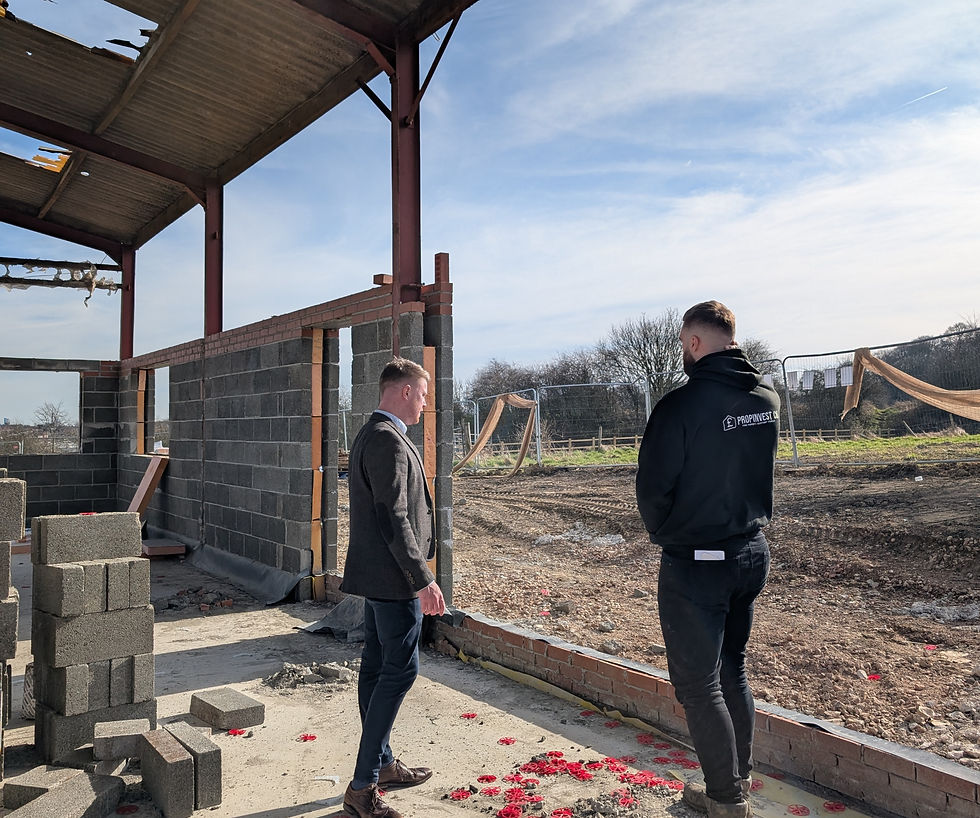
Joint ventures can fast-track your property development goals — but only if you choose the right partner.
At PropInvest, we’ve worked with a wide range of investors and developers over the years. Some partnerships have helped us scale faster and smarter. Others taught us hard lessons we’ll never forget. If you’re considering a JV for your next project, knowing how to vet a potential partner (and what warning signs to look out for) is the smartest due diligence you can do.
Here’s how to do it properly.
✅ Green Flags - What to Look for in a Strong JV Partner
1. Aligned Goals
Before you talk numbers, talk vision.
Do they want to flip in 6 months while you’re planning to hold long term?
Are they looking for fast cash flow, or future capital growth?
Are they risk-tolerant or risk-averse?
If you’re not aligned at a strategic level, disagreements down the line are almost inevitable. You want someone who’s on board with your approach — not pulling in the opposite direction.
2. Financial Readiness
A solid JV partner needs more than enthusiasm — they need financial firepower.
Have they got capital ready to deploy?
Are their funds personal or borrowed?
Are they transparent about where the money comes from?
Ask for proof of funds and discuss deal structures upfront. Professional investors will respect that clarity. If someone gets cagey at this stage, proceed with caution.
3. Clear Communication Style
Clarity is non-negotiable in a JV.
You’ll be making time-sensitive decisions, updating each other on build progress, finances, and legal stages. If they prefer vague chats over WhatsApp while you’re operating with detailed trackers and shared folders, it’s a mismatch.
The best JV partners are responsive, proactive, and happy to work in a structured way.
At PropInvest, for example, we:
Set up a shared limited company
Open a dedicated bank account
Provide access to a Google Drive with build budgets, legal docs, live updates
Use Gantt charts and video updates to keep everything transparent
It’s professional, consistent, and builds long-term trust.
4. Reputation & Track Record
Look beyond the pitch.
Have they delivered successful deals before?
Can they provide testimonials or case studies?
Are they involved in any legal disputes or failed partnerships?
A little due diligence goes a long way. Don’t just look at what someone says — look at what they’ve actually done.
And if you’re the one being vetted, showcase your portfolio proudly. At PropInvest, we’re always happy to walk potential partners through past projects, from barn conversions to large-scale new builds.
5. Shared Values
A partnership isn’t just about profits. It’s about working with people who share your standards.
Do they:
Cut corners to save money?
Communicate respectfully with contractors and agents?
Stick to their word?
You want to work with someone who treats every deal like a reflection of their reputation — because it is.
🚩 Red Flags That Signal Trouble
Even more important than knowing what to look for is knowing what to walk away from. Here are the red flags we’ve learned to spot quickly:
1. Vague or Over-Promising Behaviour
If someone’s promising unrealistic returns or dodging basic questions about timelines, risk, or funding — run. A good JV partner will be clear, honest, and grounded.
2. No Skin in the Game
If they want full control but are bringing no capital, experience, or value, that’s a red flag. Good partnerships are balanced and fair — even if the inputs are different.
3. Disorganised Communication
If it’s already hard to get a straight answer during early conversations, imagine what it’ll be like mid-renovation when the pressure’s on. Organisation = professionalism.
4. Emotional or Reactive Decision-Making
The property game throws curveballs — planning delays, finance hiccups, market shifts. You want a partner who’s calm under pressure, not making rash decisions based on fear or ego.
5. "Let’s Just Keep It Informal"
That phrase has tanked more JVs than bad deals ever could.
If someone resists putting agreements in writing, refuses to set up a shared business structure, or wants to operate on trust alone — that’s not a partnership. That’s a problem waiting to happen.
The PropInvest Model: Built on Trust and Structure
At PropInvest, we treat every JV investor as a business partner — not just a source of capital.
Our model is simple:
We set up a new limited company for each project
One director from our side, one from theirs
Shared bank account, shared documentation, and full transparency
Access to project costs, Gantt charts, video/photo updates, and contractor reports
It’s this structure that allows us to scale with confidence, protect investor funds, and build partnerships that last beyond one project.
Final Thoughts
A JV can be a powerful growth tool — or a financial headache. The difference is in how well you vet, structure, and communicate.
If you’re looking to partner with a development company that prioritises professionalism, trust, and investor success, let’s talk.


Comments